- Home
- Pediatric Dentistry
Pediatric Dentistry
What exactly is Preventative Dentistry?
Preventative dentistry focuses on maintaining oral health through regular dental check-ups, cleanings, and the implementation of preventive measures such as fluoride treatments and sealants to avoid future dental problems. It emphasizes proactive oral care practices to prevent the development of dental diseases and preserve natural teeth.
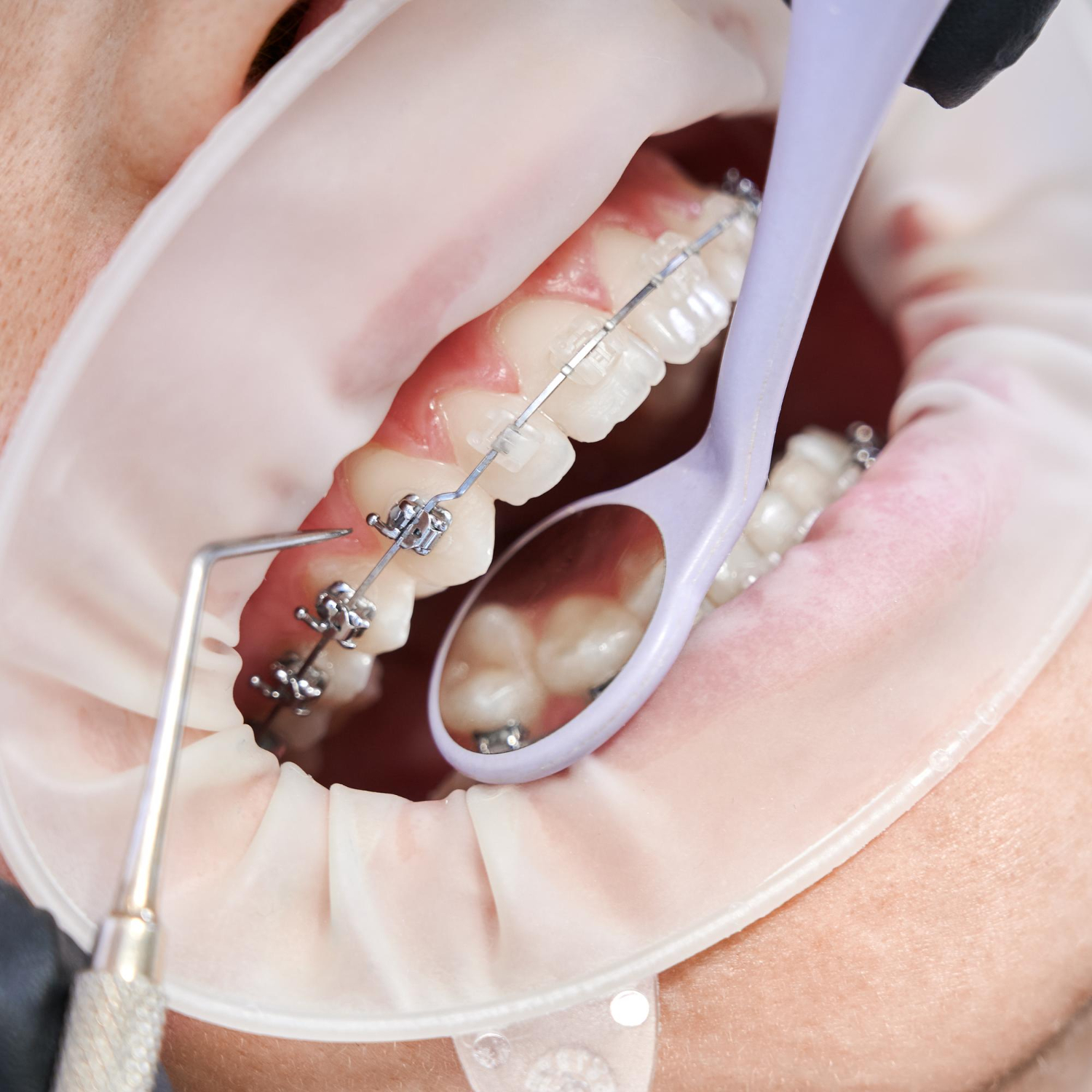
Preventative dentistry promotes oral health through regular check-ups, cleanings, and preventive measures like fluoride treatments and dental sealants, addressing minor issues early on and reducing the risk of cavities and gum disease.
Preventative dentistry emphasizes good oral hygiene habits like brushing, flossing, and using mouthwash, along with regular dental visits, to reduce the risk of dental problems, preserve natural teeth, and promote overall well-being.
We are experts at comprehensive dental care. That includes:
Essential Elements of Preventative Dentistry:
Dental Check-ups and Professional Cleanings
Dental Check-ups and Professional Cleanings: Regular dental check-ups and professional cleanings are essential components of preventive dental care. During dental check-ups, dentists carefully examine the teeth, gums, and oral tissues to detect any signs of decay, gum disease, oral cancer, or other oral health issues. At the same time, dental hygienists work alongside dentists to perform professional cleanings, meticulously removing plaque, tartar, and stains from the teeth. This thorough cleaning process aids in preventing cavities, gum disease, and other potential dental problems, ensuring a healthier and brighter smile for patients. By combining these practices, individuals can maintain excellent oral health and stay proactive in addressing any potential dental concerns.
Empowering Smiles:
Dental Professionals' Guide to Optimal Oral Health and Nutrition
Dental professionals play a crucial role in integrated preventive dental care by combining Oral Hygiene Education, Nutritional Counseling, and Patient Education. Through this comprehensive approach, they empower patients to maintain optimal oral health and prevent dental issues.
In this approach, dental professionals provide thorough Oral Hygiene Education, imparting knowledge on effective brushing techniques, flossing, and the appropriate use of mouthwash. They tailor these teachings to individual needs, ensuring patients receive personalized recommendations for their oral care routine.
Additionally, dental practitioners offer Nutritional Counseling, advising patients on the importance of a healthy diet in relation to oral health. They emphasize the significance of reducing the consumption of sugary foods and beverages, as these can contribute to tooth decay and other dental problems.
Furthermore, Patient Education is a cornerstone of this integrated preventive care strategy. Dental professionals prioritize educating patients about the importance of oral health and providing them with the tools and knowledge needed to maintain proper dental care at home. This includes reinforcing brushing and flossing techniques, along with promoting dietary choices that support healthy teeth and gums.
Proactive Smiles:
Comprehensive Preventative Dentistry for Lifelong Oral Health
Dental professionals conduct Risk Assessments to evaluate an individual’s susceptibility to dental problems like cavities, gum disease, or tooth decay. This assessment helps identify specific preventive measures tailored to the individual’s needs.
Early Intervention is key in preventative dentistry. Dentists closely monitor patients for any signs of dental problems, such as tooth decay or gum disease, and provide timely treatment to prevent further progression and damage.
Oral Cancer Screening is performed during routine check-ups. Dentists examine the oral tissues, including the tongue, gums, and throat, to identify any suspicious lesions or abnormalities.
Orthodontic Assessments are essential in preventative dentistry. Identifying orthodontic issues early allows for timely intervention, such as braces or other corrective measures, to prevent future dental complications.
Customized Treatment Plans are developed based on individual needs, age, oral health history, and specific risk factors, ensuring a targeted approach to prevention.
Ongoing Monitoring involves regular check-ups to track progress and address any emerging issues. Dental professionals recommend routine check-ups at intervals based on the individual’s oral health status.
FAQ
Preventive dental care involves practices and treatments designed to maintain good oral health and prevent dental issues before they arise. This includes regular dental check-ups, cleanings, and education on proper oral hygiene habits.
It is generally recommended to visit the dentist for preventive care at least every six months. However, your dentist may recommend more frequent visits based on your individual oral health needs.
During a preventive dental appointment, your dentist will typically perform a thorough examination of your teeth and gums, clean your teeth to remove plaque and tartar buildup, and provide guidance on proper oral hygiene practices.
Many dental insurance plans cover preventive dental care, including regular check-ups and cleanings. However, coverage may vary depending on your specific insurance plan, so it's important to check with your provider.
Maintaining good oral hygiene at home involves brushing your teeth at least twice a day with fluoride toothpaste, flossing daily, and using mouthwash. Additionally, eating a balanced diet and avoiding sugary foods can help prevent tooth decay.
Preventive dental care helps to keep your teeth and gums healthy, reduces the risk of developing dental issues such as cavities and gum disease, and can save you time and money by addressing problems early before they worsen.
Yes, children are eligible for preventive dental care, and it is especially important for promoting healthy oral habits from a young age. Pediatric dentists specialize in providing preventive care tailored to children's needs.
Yes, preventive dental care can help prevent bad breath by removing bacteria and food particles that can contribute to halitosis. Regular dental cleanings and check-ups can also identify underlying causes of bad breath and provide appropriate treatment.
You can schedule a preventive dental appointment by contacting our office directly via phone or email. Our friendly staff will be happy to assist you in finding a convenient appointment time.
NEW PATIENTS ONLY SPECIAL!
Book by 4/30/2024. Restrictions may apply. Contact us for details.
Cleaning + PerioProtect Combo
Schedule by 4/30/2024. Restriction may apply. Contact us for details.
SMILE WITH CONFIDENCE!
BRACES or INVISALIGN. 0% Financing Available. Restrictions may apply. Contact us for details.
FREE EXAM & X-RAYS
Membership in Dental Alliance (DA) required. DA offers a discount program for dental care.
Deep Cleaning + PerioProtect Combo
Schedule by 4/30/2024. Restriction may apply. Contact us for details.