What Is Sedation Dentistry?
With sedation, the dentist administers a drug before or during the dental procedure. Only one type of sedation, general anesthesia, renders patients completely unconscious. The other forms help the patient relax without knocking them out completely.
Common Cases When You Need Sedation Dentistry
Patients usually opt for sedation dentistry for a number of reasons. Here are some examples of them.
Anxiety Related to Dental Procedures
A lot of people have dental anxiety, and in some cases, it prevents them from visiting the dentist at all. Whether it stems from a previous bad experience at the dentist, a sensitive gag reflex or simply discomfort at having dental staff in such close proximity to them, sedation dentistry can help quell anxiety so people get the treatment they need.
Pain Management
Pain is a concern for most people who visit the dentist — especially if they are having a major dental procedure such as a dental crown, root canal, tooth extraction or dental implant placement. Sedation dentistry can help ensure that pain is minimized during the procedure so that patients can remain comfortable.
Multiple or Extensive Dental Procedures
Sometimes, people have extensive dental damage, and they might need lengthy treatment to make the needed repairs. Most patients would not be able to bear the pain and discomfort that often comes from continuous treatment for an hour or longer. It can also be exhausting to sit in the dentist chair for prolonged treatment. Sedation dentistry can keep patients calm and comfortable during long procedures. This also provides reassurance to the dentist, allowing him or her to focus on the procedure knowing that the patient is comfortable. It also means that several treatments can be combined into just one visit to the dentist.
Sedation Methods for Your Dental Treatment
There are several sedation methods used by dentists. Some of them include the following.
Oral sedation
If you opt for an oral sedative, you will get a prescription to take about an hour or so before your dental appointment. The medication is designed to help you relax so you feel less anxious about your procedure. With this method, you will remain fully awake. You should avoid operating a motor vehicle after oral sedation dentistry. So, you will need someone to drive you to and from your appointment.
IV Sedation
IV sedation is sedation that is administered intravenously. This type of sedation dentistry can put you into varying states of consciousness. Some IV drugs will put you into a state referred to as “twilight sleep” which means you are sleepy but still aware of your surroundings. However, you might not remember much of the procedure afterward. Stronger IV drugs — known as general anesthesia — can put you into a deeper sleep until its effects wear off. After IV sedation, you will need someone to drive you home, and you may feel groggy for the rest of the day.
Nitrous Oxide
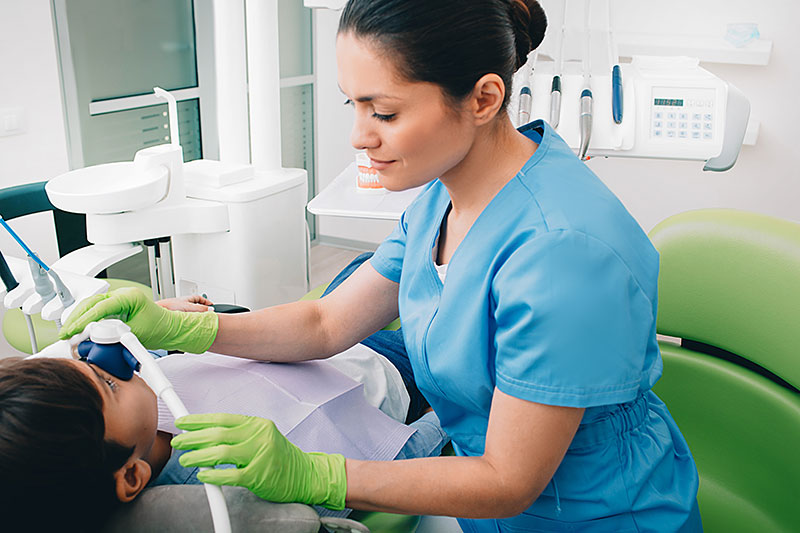
Nitrous oxide is a gas that is breathed in through a mask similar to an oxygen mask. The gas hits your system almost immediately so you can relax during your procedure. It wears off quickly with it’s effects wearing off soon after you remove the mask. So, you might be able to drive yourself home and return to your normal routine after your procedure.
Benefits of Sedation Dentistry
Phobia of the dentist is a common fear for many. It frequently leads people to put off routine dental treatment which often leads to the need for treating more serious problems. With sedation dentistry, patients can have effective dental treatment with minimal pain or discomfort. Even the most anxious patients can benefit from sedation dentistry to minimize their fear of the dentist.
Anxiety Relief
Sedation dentistry removes a big reason people avoid going to the dentist: anxiety. There are different levels of anxiety with some patients feeling a bit nervous about undergoing even routine procedures. Other patients have full-blown fear that their dentist visit will be excruciatingly painful or that something will go horribly wrong. Any level of dental anxiety can keep people from getting the treatment they need. With sedation dentistry, patients can rest assured they will be comfortable during their procedure.
Pain Relief
Many dental procedures are simply not comfortable, and some can be downright painful. Depending on whether you are having a tooth filled or a root canal, there is a level of sedation dentistry that can make the procedure virtually pain-free. With oral sedation dentistry or IV sedation dentistry, you probably won’t even remember much of the procedure which is appealing to many patients.
The Dentist Can Work More Quickly
Dentists have undergone many of the procedures they perform themselves, and they understand how it feels. They want you to be comfortable, and if they are concerned about whether you are feeling pain, this can slow down their work. When you are sedated, they won’t have to worry about how you are reacting to the procedure, so they can work more quickly. The quicker your dentist works, the quicker you are on your way and on the road to recovery.
What to Expect From Sedation Dentistry
What you can expect from sedation dentistry will depend on the type of sedation used. If you have a local anesthetic — which causes numbness to a localized area — you can expect that to wear off within a few hours of the procedure. You will be fully alert during your procedure. Your dentist will likely apply a bit of numbing gel to the area before inserting the needle.
Nitrous oxide is a fast-acting gas that you will breathe in through a mask over your mouth and nose. Its effects are almost instant, and you will feel relaxed immediately. Often called “laughing gas,” you might feel a bit giddy, but you will be alert and able to answer questions and so on during your treatment. You will feel very relaxed during treatment. You may be able to drive home and return to your normal day after treatment because its effects leave your system quickly after the mask is removed,
Oral sedation dentistry will relax you before and during the procedure, and you might feel a bit groggy for a few hours after the procedure. You may not remember much about what happened while you were undergoing treatment, although you will be awake. You should have someone drive you to your appointment and home, and you probably won’t want to return to work until the next day because the effects of the drug takes a while to leave your system.
Pediatric Sedation Dentistry
Pediatric sedation dentistry is useful for children who might have an extreme fear of the dentist. Pediatric sedation dentistry can help kids stay relaxed and still in the dentist chair if they are undergoing procedures that are lengthier than a routine examination or filling. Children with special needs or who have a difficult time staying seated might also benefit from pediatric sedation dentistry. For many kids, sedation dentistry can mean the difference between a stressful experience or a relaxed one which can form a negative opinion of dentists than can follow children well into adulthood.
Getting Dental Treatment with Sedation at West Coast Dental
Here at West Coast Dental, our highly-skilled dentists can advise you on the best course of dental treatment using sedation to suit your needs. Set up an appointment today.
Team of Board Certified Specialists
Our team of board-certified specialists offers the best in dental care to help you obtain the most appropriate dental treatment and give you the smile you deserve.
Same Day Appointments Available
If you are experiencing a dental emergency, be sure to call and schedule a same-day appointment. We are here for you.
Accept most insurances
At West Coast Dental, we don’t want financial concerns to prevent you from getting the dental care you need. We accept most insurance plans and we have accessible payment plans to make getting the dental care you need accessible and affordable.
Dental Discount Program
We offer a dental discount plan to help keep expenses down through the Dental Alliance Discount Plan. We also offer financing options through Dental Alliance Financing and CareCredit to help keep treatment affordable.
FAQ
NEW PATIENTS ONLY SPECIAL!
Book by 4/30/2024. Restrictions may apply. Contact us for details.
Cleaning + PerioProtect Combo
Schedule by 4/30/2024. Restriction may apply. Contact us for details.
SMILE WITH CONFIDENCE!
BRACES or INVISALIGN. 0% Financing Available. Restrictions may apply. Contact us for details.
FREE EXAM & X-RAYS
Membership in Dental Alliance (DA) required. DA offers a discount program for dental care.
Deep Cleaning + PerioProtect Combo
Schedule by 4/30/2024. Restriction may apply. Contact us for details.