What exactly is Cosmetic Dentistry?
Cosmetic dentistry enhances the appearance of teeth, gums, and smiles through treatments like teeth whitening, veneers, bonding, and gum contouring. These procedures improve aesthetics, including color, shape, and alignment, boosting self-confidence and creating a more attractive smile while addressing issues like gaps, misshapen teeth, and discoloration.
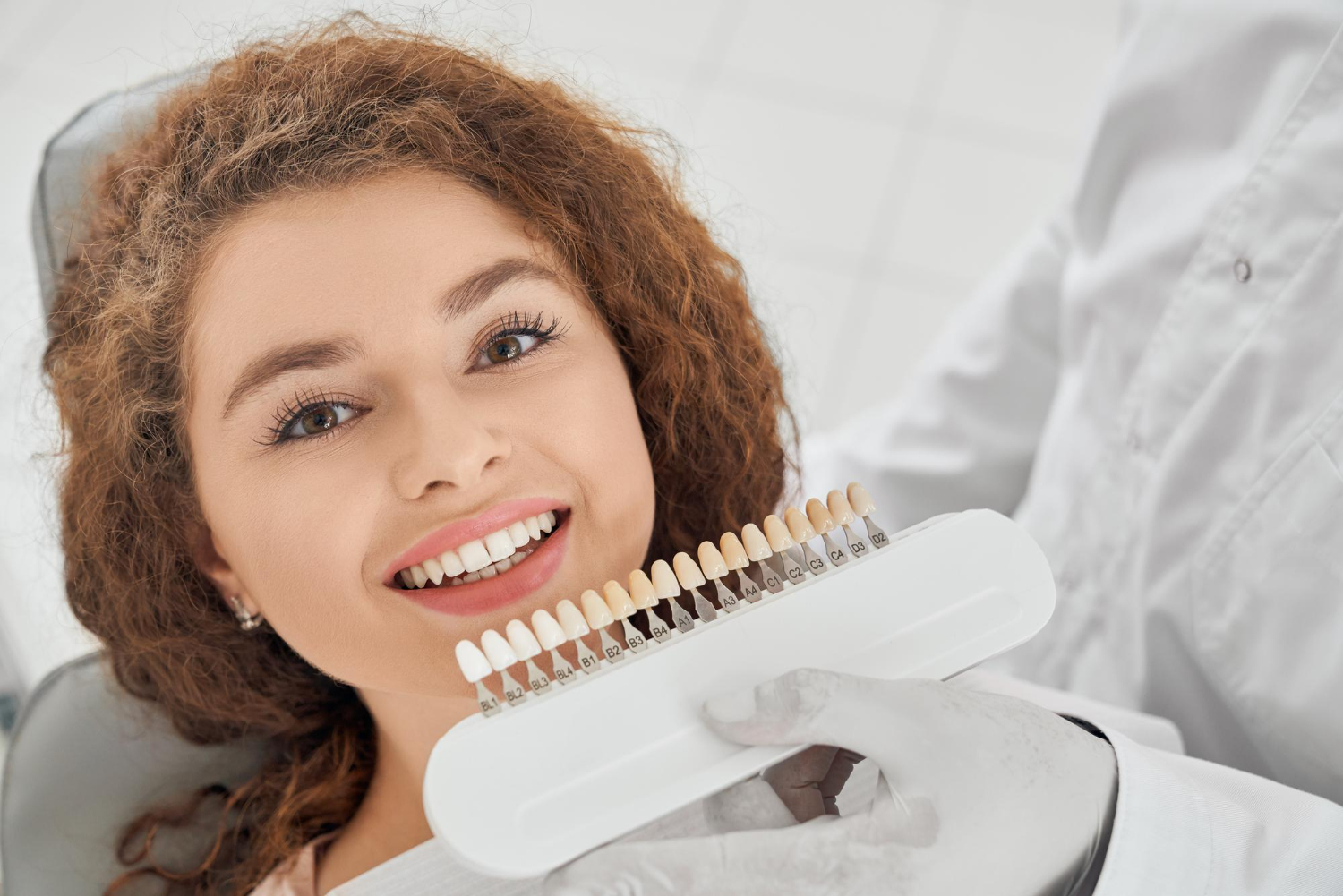
Cosmetic dentistry enhances the visual aspects of teeth, gums, and smiles through various treatments. Teeth whitening removes stains for a brighter appearance, while porcelain veneers conceal imperfections like chips and gaps. These procedures contribute to a more aesthetically pleasing smile and improved overall oral aesthetics. Dental bonding uses tooth-colored resin to fix minor flaws and achieve a more balanced smile by repairing chips, reshaping teeth, and closing small gaps. Gum contouring reshapes the gumline, addressing concerns like excessive gum display or creating a symmetrical and proportionate appearance.
We are experts at comprehensive dental care. That includes:
Enhancing Your Smile:
Exploring the World of Cosmetic Dentistry and Restorative Solutions
Teeth whitening, porcelain veneers, dental bonding, and gum contouring, there are several other cosmetic dentistry procedures available. Dental implants, for instance, are a popular solution for replacing missing teeth. They not only restore functionality but also provide a natural-looking and seamless result, blending in with the surrounding teeth.
Smile Transformations
Aesthetic and Health Benefits of Orthodontic Treatments
Orthodontic treatments, such as braces or clear aligners, fall within the realm of cosmetic dentistry as well. They are used to correct misalignment, overcrowding, and bite issues, resulting in straighter teeth and an improved smile. These treatments have the added benefit of improving overall dental health by making it easier to maintain proper oral hygiene.
Radiant Smiles:
The Art of Customized Smile Makeovers in Cosmetic Dentistry
Smile makeovers are comprehensive cosmetic dentistry procedures that combine multiple treatments to achieve a complete smile transformation. By considering various factors such as tooth color, shape, alignment, and gum appearance, a customized treatment plan is created to address each individual’s unique needs and desires.
Beyond Beauty:
The Transformative Power of Cosmetic Dentistry in Unleashing Smiles
cosmetic dentistry plays a crucial role in helping individuals achieve the smile they have always desired. By combining artistry, science, and advanced dental techniques, cosmetic dentists can enhance the aesthetics of the teeth and gums, ultimately boosting self-confidence and improving the quality of life for their patients.
FAQ
Common causes of canker sores
- Local trauma and stress
- Diet and food allergies
- Hormonal changes
- Use of certain medications
Common treatments of canker sores:
- Antimicrobial mouthwashes
- Local painkillers
- Over-the-counter remedies (oral adhesive patches, liquids and gels)
Many people ring in a new year by making health-related resolutions to improve their lives, but how many of those lifestyle changes are kept past January? The Academy of General Dentistry (AGD), a professional association of more than 35,000 general dentists dedicated to staying up to date in the profession through continuing education, has compiled some easy-to-keep oral health tips that consumers can work into their everyday routines and continue to perform throughout the year.
“Oral health means more than just an attractive smile,” says AGD spokesperson Raymond Martin, DDS, MAGD. “Poor oral health and untreated oral diseases and conditions can have a significant impact on quality of life. And, in many cases, the condition of the mouth mirrors the condition of the body as a whole.”
Tips:
- Floss every day. It’s the single most important factor in preventing gum disease, which affects more than 50 percent of adults. Spend two to three minutes flossing at least once a day. Not flossing because it irritates your gums? The more often you floss, the tougher your gums will become.
- Brush your teeth for at least two to three minutes twice daily. If you’re not sure whether you’re brushing long enough, simply brush for the length of an entire song on the radio.
- Change your toothbrush or toothbrush head (if you’re using an electric toothbrush) before the bristles become splayed and frayed, or every three to four months. Not only are old toothbrushes ineffective, they may harbor harmful bacteria that can cause infections, such as gingivitis and gum disease.
- Drink sugary beverages through a straw. This will minimize the amount of time that the sugars are in contact with your teeth, which can minimize the risk of developing cavities.
- Replace carbonated beverages, which cause enamel erosion and cavities, with water, milk, tea, or coffee.
- Chew sugarless gum that contains xylitol after meals and snacks. This will help cleanse your mouth and prevent the bacteria associated with cavities from attaching to your teeth. Even better, gum will increase your saliva production and reduce bad breath!
- Wait one hour to brush your teeth after consuming highly acidic food or drinks, like wine, coffee, citrus fruits, and soft drinks. Otherwise, you run the risk of wearing away the enamel on your teeth.
“One last reminder to patients is that they should make an appointment to see their general dentist every six months,” adds Dr. Martin. “More than 90 percent of all systemic diseases have oral manifestations, meaning that your dentist could be the first health care provider to diagnose a health problem.”
- Brush with the radio on – dentists recommend brushing for the entire length of a song.
- Use fluoridated, antimicrobial toothpastes and mouth rinses. They help to make the tooth structure resistant to decay.
- Keep oral hygiene products at work. Studies show that the chance of a person using them during the day will increase 65 percent.
- Talk to your dentist about new products you’re using, as all products are not suited for all people.
- Skip the caffeine. Avoiding caffeine before a dental appointment can make you less anxious.
- Communicate. Use hand signals to inform the dentist that you are uncomfortable, and talk to your dentist about your specific fears.
NEW PATIENTS ONLY SPECIAL!
Book by 4/30/2024. Restrictions may apply. Contact us for details.
Cleaning + PerioProtect Combo
Schedule by 4/30/2024. Restriction may apply. Contact us for details.
SMILE WITH CONFIDENCE!
BRACES or INVISALIGN. 0% Financing Available. Restrictions may apply. Contact us for details.
FREE EXAM & X-RAYS
Membership in Dental Alliance (DA) required. DA offers a discount program for dental care.
Deep Cleaning + PerioProtect Combo
Schedule by 4/30/2024. Restriction may apply. Contact us for details.